 Typical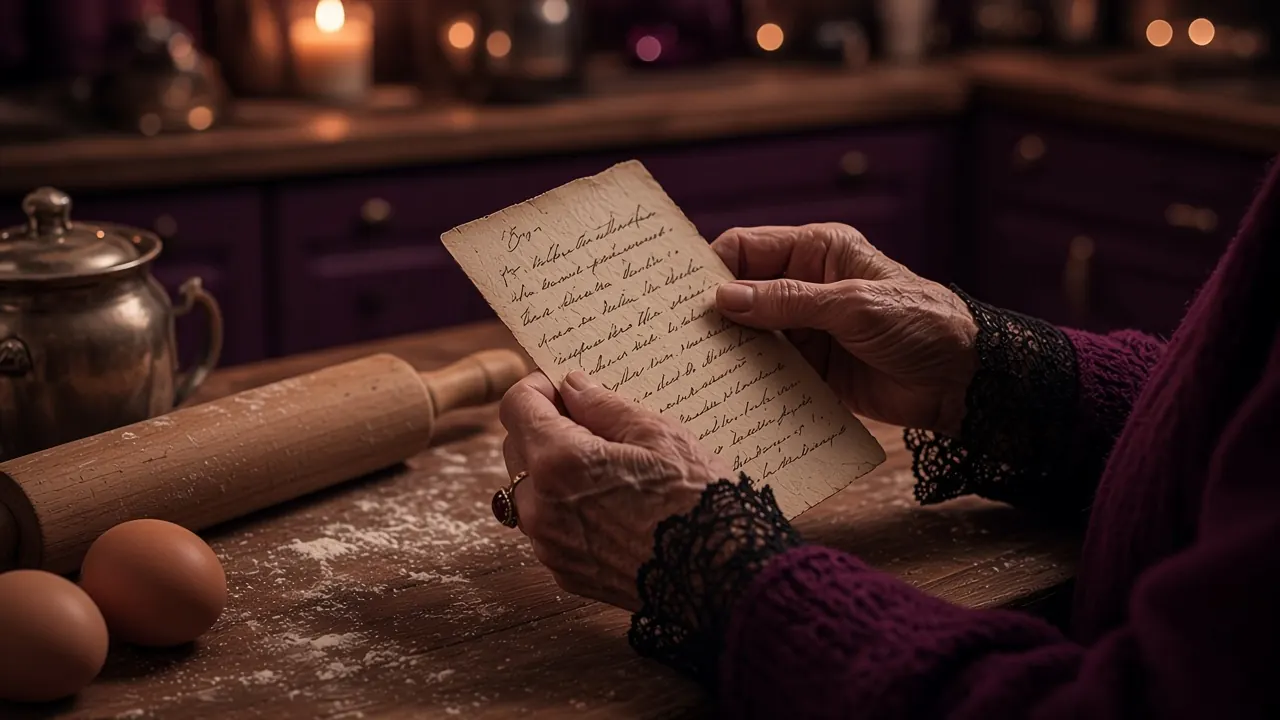
The recipe was a test
I was sixteen the first time my grandmother handed me a recipe and watched me try to follow it. I assumed she wanted to teach me. I now suspect she wanted to see whether I would…
Read →Archived issue of Typical Female.
She lived a whole life I never asked her about. I called her every Sunday for fourteen years. We talked about the weather, my brother’s kids, whether the casserole had turned out. We did not talk about the year my father stopped speaking to her, and we did not talk about the miscarriage in 1976, and we did not talk about the first time she felt her body had stopped belonging to her. I learned about all of it later, from her sister, after she died.
I am a therapist. I sit across from women every week who are reckoning with what their mothers did and did not tell them. The pattern is so consistent it has stopped surprising me: a generation of women who handed down the appearance of stability and almost none of its underlying weather. We were raised by people who survived something we don’t have the language for, and they decided — mostly without ever discussing it — not to give us that language either.

I made a deal with myself when she was small that she would not inherit the version of me that needed protecting. I have not told her about my mother’s drinking, my own first marriage, the year I lost in my late twenties. I do not regret these omissions. There is a difference between being a fully knowable person and being a load-bearing wall for a child. I chose to be a wall. The wall is the love.
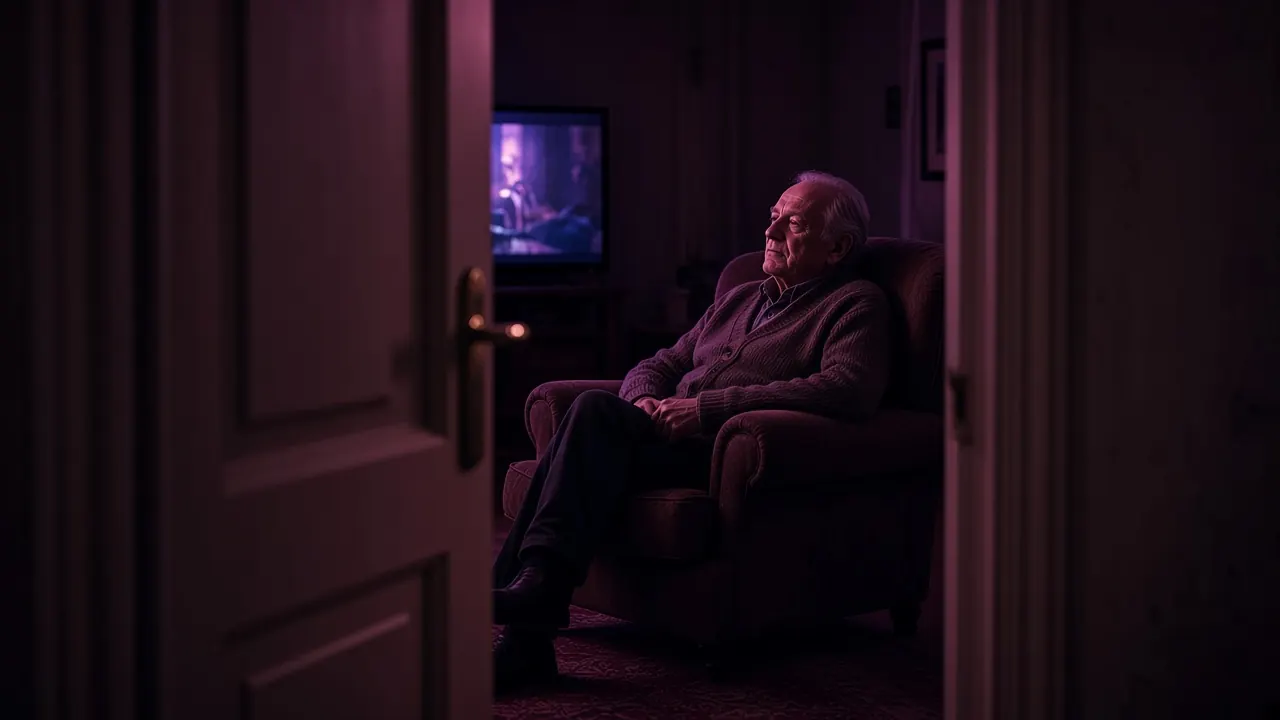
My father was a quiet man who became quieter after my mother died. We sat in adjacent rooms watching different televisions for the better part of three years. I told myself this was a kind of intimacy. He died of a heart attack in 2019 and I am still finding letters in his desk that change what I thought I knew about him. The silences I respected most were the ones I should have walked into. I am writing this because the script we run on our fathers is the same script our mothers run on us, and the cost is the same.
Your Take
Pick a side and get your share card. Then say it in one line: an editor reads every one.
I took a side
The card links back to this piece. It is not a vote tally.
I was sixteen the first time my grandmother handed me a recipe and watched me try to follow it. I assumed she wanted to teach me. I now suspect she wanted to see whether I would…
Read →
My mother kept a list of every female doctor she had ever seen who was 'good.' It was on the side of her refrigerator for thirty years. Eight names by the end. She updated it the…
Read →
My mother taught me to ask for raises by enacting the thing she had not been able to do herself. She would have said, if asked, that this was not what she was doing. She would…
Read →
She called every Sunday at three. She called for thirty-one years. The first Sunday after she died I picked up the phone at three and put it back down. I did this for six weeks…
Read →
My mother never directly criticized any of my partners. She had a code instead. The pieces of the code were small enough to deny later, and I am only now — fifteen years and one…
Read →
She handed me a tampon when I was twelve and walked out of the bathroom. That was the entirety of the conversation. I do not blame her for what she didn’t say. I am, however…
Read →One question, four ages.
“What did your mother not tell you that you wish she had?”
“How tired she was. I knew she was tired. I didn’t know it was a kind of tired you can’t come back from without saying so out loud.”
“That she was angry. I would have respected the anger. I think she was protecting me from a feeling I would have benefited from witnessing.”
“That she had wanted to be a writer. I found the notebooks after she died. I would have read them with her. We could have had so many afternoons.”
“That she had loved someone before my father. I am not sure I would have understood it at the time, but I would understand it now, and I cannot ask her. I have only the absence to talk to.”
“What is one thing you are choosing to tell your daughter (or niece, or godchild) that your mother did not tell you?”