 Typical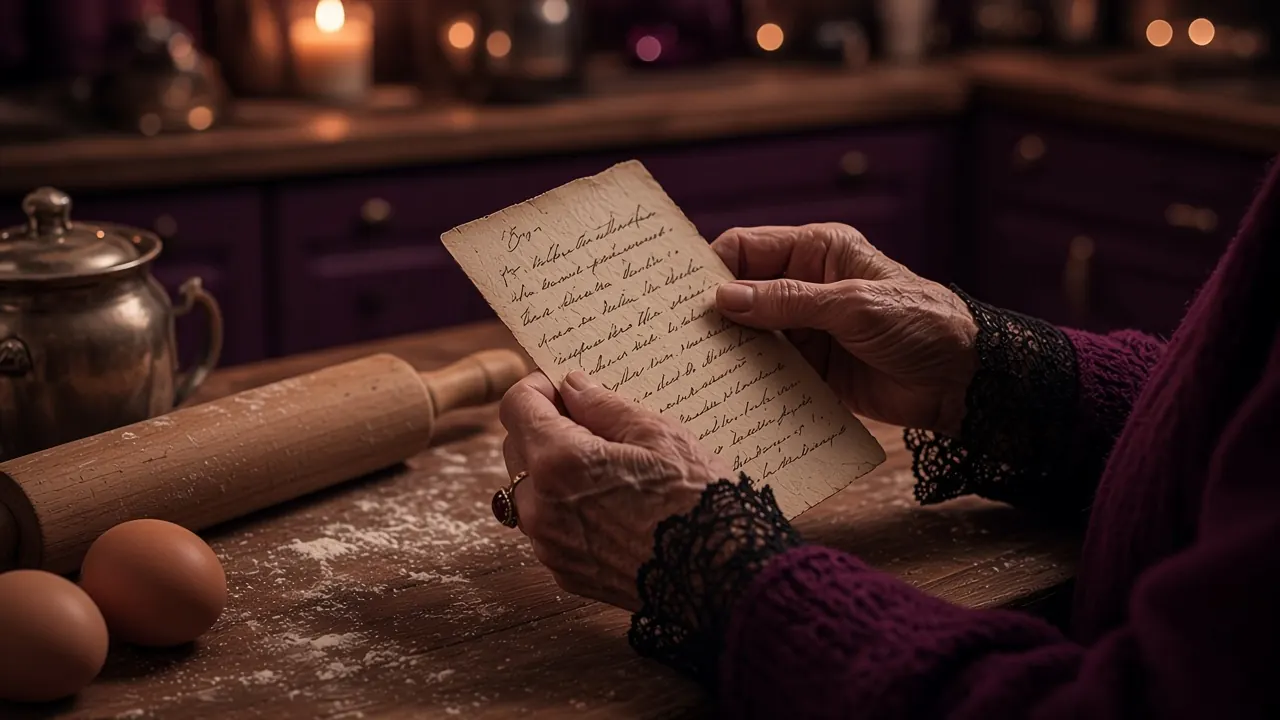
I was sixteen the first time my grandmother handed me a recipe and watched me try to follow it. I assumed she wanted to teach me. I now suspect she wanted to see whether I would ask the questions she had not been allowed to ask, sixty years earlier, in a kitchen across the ocean.
She had migrated alone at eighteen. She had lost a sister in the crossing. She had never — not once, in the eighteen years I had known her — used the sister’s name in my hearing. I had assumed the silence was grief. It was grief. It was also a habit she’d been trained into.
The recipe was for picadillo. I had made it many times. She watched me without comment. When I was finished she ate a small bite and said: ‘Your mother’s is better.’ We both laughed. I cleaned up. She washed the cutting board, slowly, looking out the window. Then she told me my great-aunt’s name. Aurelia. She told me Aurelia had been her best friend until she was twelve. She told me Aurelia had drowned in 1956 and that the family had not used her name afterward. She told me she had wanted me to know.
I have thought about this exchange every Mother’s Day since. The recipe was a test. The test was: can you stand still long enough for me to give you a thing I have not given anyone in seventy years. I passed by accident, by being slow, by not asking too many questions. I almost want to write a card to my sixteen-year-old self. The instruction is: be quiet. Sit. Wait.