 Typical
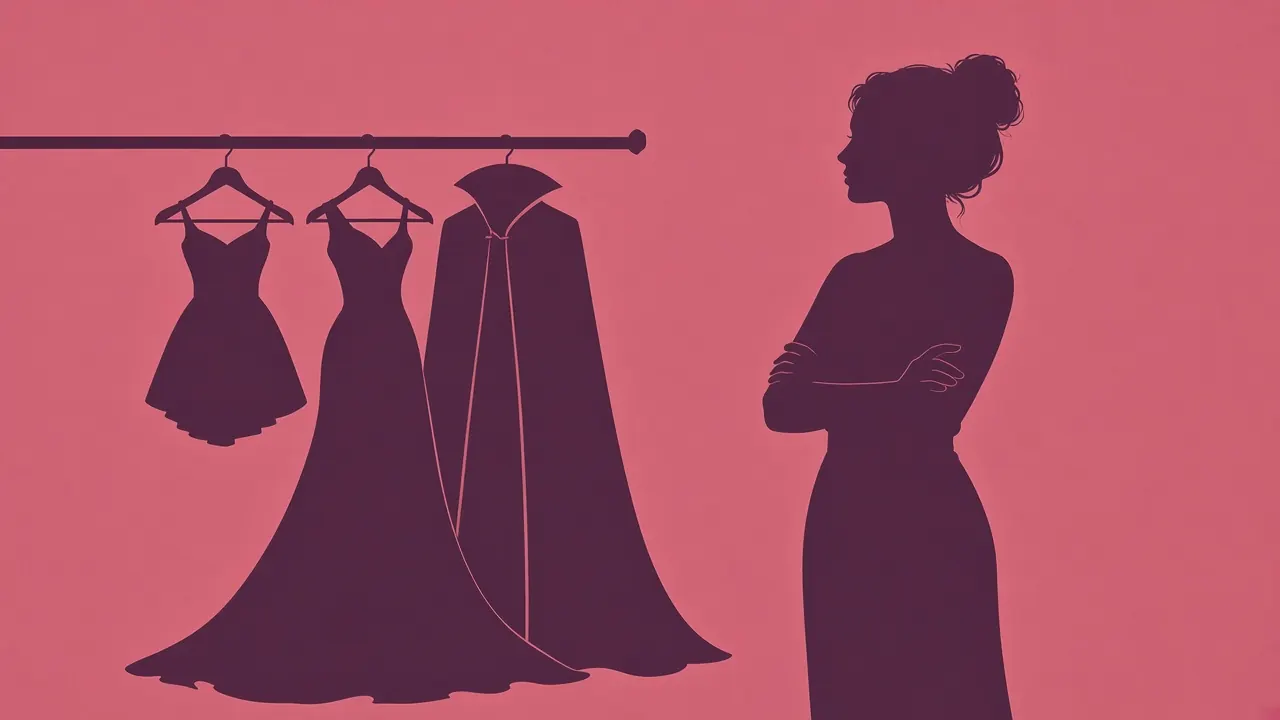
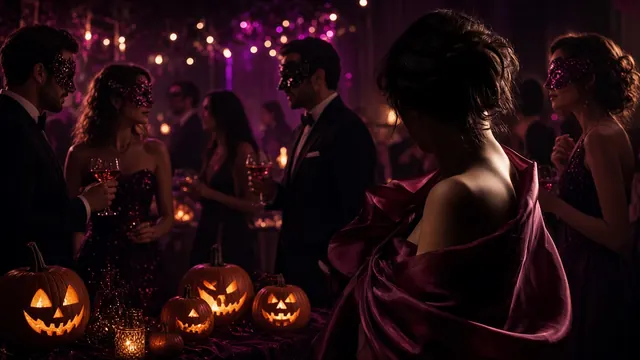
There is no costume a woman can wear to a Halloween party that exits the conversation. Try it. Go sexy, go scary, go funny, go as a full-length nun. Someone will have notes.
Every woman I know has a costume story that isn't really about the costume. The year she was "too much." The year she covered up and was "no fun." The year she went funny and someone asked why she didn't want to look nice.
Halloween is supposed to be the one night of the year when you can be anyone. For a lot of women it's the night every option gets graded.
Too much, too little
Here is the trap, as plainly as I can put it. If the costume is revealing, she's asking for attention. If it's not, she's a killjoy. If it's scary, it isn't cute; if it's cute, it isn't clever. The rules shift, but the grading never stops. Men, meanwhile, can show up with a cape from the drugstore and a shrug.
Men can show up with a drugstore cape and a shrug. Women show up and get graded.
The irony is how ordinary most women's choices are. The National Retail Federation's 2026 survey puts the witch at the top of the adult costume list, with about 4.8 million adults planning to wear one. The most popular costume in the country is also one of the most commented on. Adult costumes are a roughly $2 billion market; we are not talking about a fringe choice.
The best argument against us
To be fair to the other side, here is the strongest version of it. Halloween is a costume party, and costumes invite reaction. Plenty of women dress to be looked at that night, and enjoy it. Men get mocked too, for low effort or for trying too hard. Isn't some judgment just part of the game?
Partly, yes. Commentary on a costume is fair play. The problem is how often the commentary skips the costume and lands on the woman: her age, her body, her motives, whether her partner "allows" it. That isn't a reaction to a costume. It's the scrutiny women get the other 364 days, with a holiday excuse.
The judgment usually isn't from strangers
Online, the costume discourse is loud and anonymous. In real life, it's quieter and closer: a sister's raised eyebrow, a coworker's "bold choice," a partner who goes silent in the car. That's what stings. It isn't a stranger deciding what your outfit means. It's someone who knows you, deciding you meant something you didn't.
Four comments, decoded
"Bold choice." Translation: I've decided what this says about you. "Aw, you went cute this year." Translation: you were supposed to try harder, or less hard; either way, you missed. "Is he okay with that?" Translation: your body is a household decision. "You're braver than me." Translation: I'm uncomfortable, and I'd like you to be too.
None of these are crimes. All of them are worth noticing, mostly so you stop absorbing them as feedback.
How to wear what you want
Decide before you get dressed what the costume is for: fun, scary, beautiful, a joke. Then hold that, and let other people's readings be theirs. If you're going with a partner, talk about it before the party: how do you want him to respond if someone comments on your body? You can ask for backup without asking for a bodyguard. If you're the friend standing nearby, you don't have to make a speech. Not laughing at the "compliment" does a lot.
If you're the one with the comment
Ask the swap question before you say it: would I say this to a man in the equivalent costume? If not, keep it to yourself. And if you hear someone else say it, a light "She looks great, leave her alone" changes the temperature of a room faster than you'd think.
One last thing: the costume doesn't need a defense. You can wear the witch hat because you like witches.
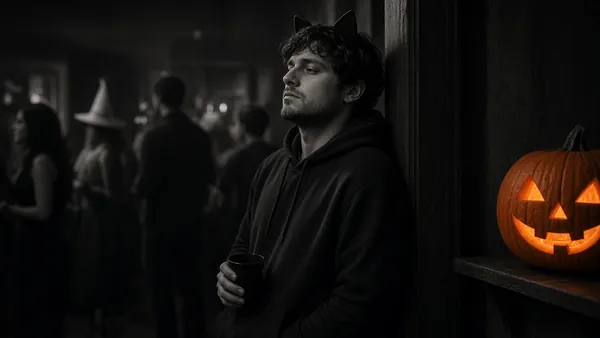
From the man standing next to it, Typical Male's take is uncomfortable and fair: Nobody Asks What My Costume Says About Me.
Frequently asked questions
Why are women judged more for their Halloween costumes?
Because the commentary often isn't about the costume. Women's choices get read as statements about their character or body, while men's mostly get judged on effort. Halloween just makes the everyday pattern louder.
What should I wear to a Halloween party if I don't want comments?
Honestly, no costume guarantees silence. Decide what the costume is for, whether that's fun, scary, beautiful or warm, and wear the one that serves it. A classic like a witch or a costume with a mask is a comfortable default.
What is the most popular adult Halloween costume in 2026?
Witch, according to the National Retail Federation’s 2026 survey: about 4.8 million adults plan to wear one, ahead of vampire, Batman, Spider-Man and ghost.
How do I ask my partner to back me up at a party?
Before you go, tell him which comments bother you and what you'd like him to do: not laugh, change the subject or say "leave it." Most partners want to help; they just don't know the script.
Your turn
Is judging a costume harmless fun, or does it always land harder on women? Pick a side below, and send us the costume comment you still remember.